
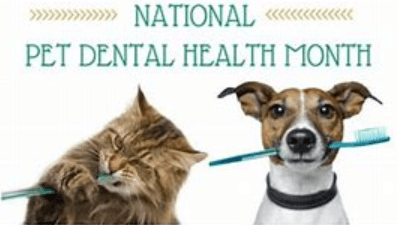
February is National Pet Dental Health Month in the United States. But what is it exactly? Well, it’s a month dedicated to raising awareness about the importance of dental health in pets. The American Veterinary Medical Association (AVMA) started this initiative to encourage pet owners to take care of their pet’s teeth and gums. Poor dental health can lead to secondary diseases. Studies have shown that dental diseases can lead to heart, lungs, and liver problems. One example of the source of feline dental problems is their modern diet. Their vicious teeth are specially designed to eat prey whole, devouring bones, hair, and feathers that keep their teeth clean. Eating kibble every day leads toward tartar and plaque buildup. For this reason homecare is an essential part of caring for your pet’s oral health. During this month, veterinarians are making it easier for pet owners to act towards improving their pet’s overall dental health.
Sometimes pet dental health is often overlooked, and many pet owners are not aware of how crucial it is for their pet’s overall well-being. But just like humans, pets can suffer from dental problems such as tooth decay, gum disease, and bad breath. These problems can be painful and lead to more severe health issues if left untreated. By the age of three, 80% of dogs and 70% of cats have some degree of dental disease. The early signs of dental disease in pets include bad breath, yellow tartar buildup on the teeth, and red and swollen gums. Animals are experts at hiding signs of pain, and if it goes unnoticed, your pet has already experienced significant, chronic, life-changing pain. Let’s learn more about the importance of pet dental health and what you can do year-round for your pet, not just in the month of February.
Common Dental Problems in Pets
Pets can suffer from various dental problems. Here are some of the most common dental issues pets can face.
- Plaque and tartar buildup: Plaque is a sticky film of bacteria that forms on teeth and can harden into tartar. This buildup can lead to gum disease and tooth decay.
- Gum disease: Gum disease is caused by inflammation of the gums and can lead to tooth loss, pain, and infection.
- Tooth decay: Tooth decay occurs when bacteria in the mouth produce acid that erodes the enamel on teeth. This can lead to cavities and tooth loss.
- Halitosis: Bad breath in pets can be a sign of dental problems or other health issues.
Signs That Your Pet May Have Dental Issues
Pets can’t tell us when they’re experiencing dental pain or discomfort, so it’s important to be aware of the signs that your pet may have dental issues.
- Bad breath
- Brown or grey teeth
- Rotting or cracked teeth
- Bleeding or swollen gums
- Loss of appetite or difficulty chewing and eating
- Pawing at the mouth or face
- Increased drooling
If you notice any of these signs, it’s essential to take your pet to a vet for a dental exam.
Preventative Measures for Pet Dental Health
Prevention is key when it comes to pet dental health. Luckily, however, there are several preventative measures you can take to keep your pet’s teeth and gums healthy. So here are some of the ways that you can help prevent your pet from having dental issues.
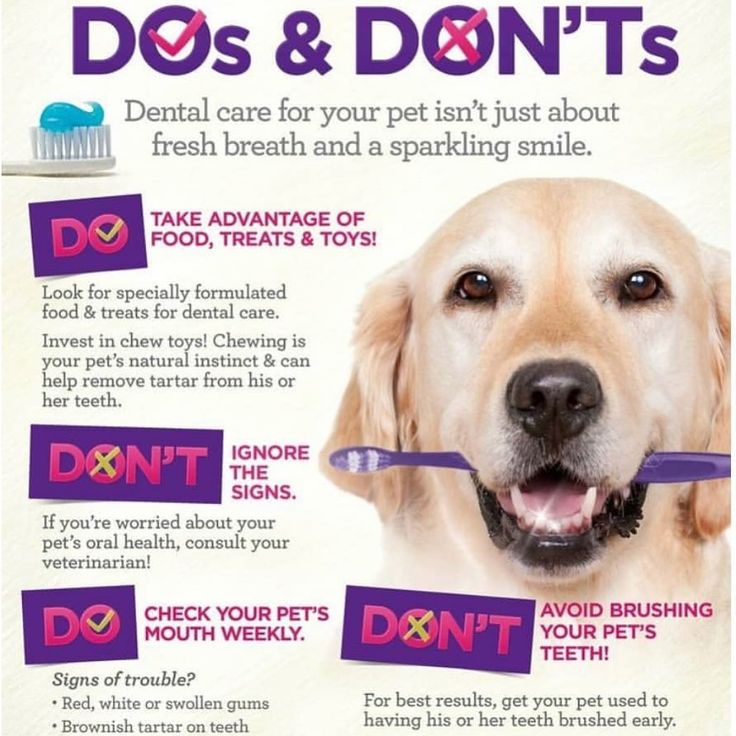
- Regular brushing: Brushing your pets’ teeth is the most effective way to remove plaque and prevent dental problems. Aim to brush your pet’s teeth at least once a day with a pet-specific toothbrush and toothpaste. Never use human toothpaste, which can contain ingredients like xylitol that are toxic to animals.
- Dental diets: Some pet foods are specially formulated to promote dental health by reducing plaque and tartar buildup.
- Dental chews and toys: Chewing on dental chews and toys can help remove plaque and promote gum health. Be sure to look for products approved by the Veterinary Oral Health Council (VOHC). Products that aren’t approved by the VOHC, or those that are too hard to bend or break easily, like animal antlers and bones, synthetic bones, and others can easily fracture your pet’s teeth.
- Water Additives: Water additives are an easy and effective way to prevent tartar buildup and inhabit the growth of bacteria. Simply add to your pet’s water, and the odorless, tasteless additives support your dog or cat’s dental health every time they drink.
- Regular vet check-ups: Regular dental exams by your vet can help identify and treat dental problems early on and can prevent them from becoming even bigger problems.
Studies have revealed an obvious correlation between the health of our pets and oral disease. Animals with clean teeth live longer lives. Celebrate this month by using a specially designed toothbrush and pet-friendly toothpaste to promote good oral and overall health.
 Mon Valley Paws