
PREVENTION AND TREATMENT
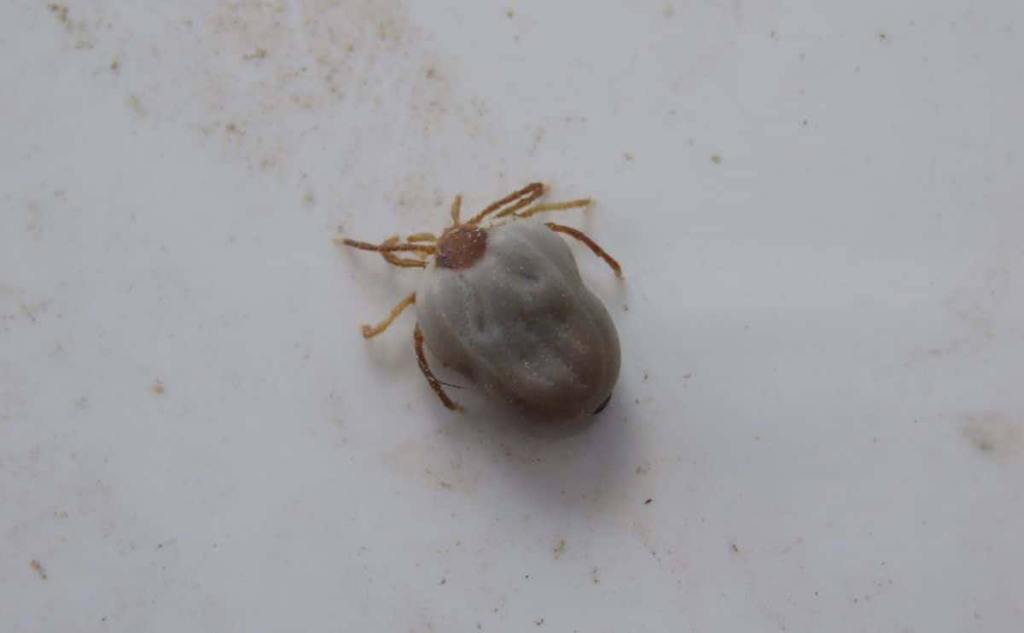
Lyme disease, also known as Lyme borreliosis, is a bacterial illness that can be transmitted to humans, dogs, and other animals by certain species of ticks. It is caused by the spiral-shaped bacterium Borrelia burgdorferi, which is carried inside a tick and gets into a dog or person’s bloodstream through a tick bite. Once in the bloodstream, the bacteria can travel to different parts of the body and cause problems in specific organs or locations, such as joints, as well as overall illness.
Lyme disease happens in every state, but infection risks vary. Over 95% of cases are from the Northeast, the Upper Midwest, and the Pacific Coast, although with recent changes in deforestation, migrating deer, and bird populations.
The ticks that carry Lyme disease are especially likely to be found in tall grasses, thick brushes, marshes, and woods — waiting to latch onto your dog when they pass by. A tick can transmit the disease once it has been attached to a dog for 24 to 48 hours.
Lyme disease is not communicable from one animal to another, except through tick bites. However, if you have more than one pet and one is diagnosed with Lyme disease, your veterinarian might recommend testing for any other pets who may have been exposed to ticks at the same time. In fact, because people and their pets often can be found together outdoors as well as indoors, a Lyme disease diagnosis in any family member – whether human or non-human – should serve as a flag that all family members might consult their physicians and veterinarians, who can advise about further evaluation or testing.
Ticks don’t jump or fly—they can only crawl. They get onto their host by waiting at the tips of vegetation. When a dog or person brushes against a bush, for example, the tick quickly grabs on and then crawls to find a place to bite. Lyme disease is, unfortunately, a fairly common canine disease. Typical symptoms in dogs include:
- – Fever
- – Loss of appetite
- – Reduced energy
- – Lameness (can be shifting, intermittent, and recurring)
- – Generalized stiffness, discomfort, or pain
- – Swelling of joints
Symptoms can progress to kidney failure in dogs, which can be fatal. Serious cardiac and neurological effects can also occur.
Treatment includes antibiotics, usually for at least 30 days. This often resolves symptoms quickly, but in some cases, the infection will persist, and prolonged medication may be needed. Treatment can also include other therapies aimed at resolving or relieving specific symptoms.
- Inspect your dogs and yourself daily for ticks. After walks through the woods or grassy settings, check yourself and your dog for ticks. When inspecting your dog for ticks, look especially on the feet (and between toes), on lips, around eyes, ears (and inside ears), near the anus, and under the tail.
- Remove ticks immediately. The quicker you find them, the less likely your dog will be to contract a secondary illness related to tick bites. Learn the proper method of removing ticks from dogs. Invest in a pair of fine tweezers designed to remove ticks. If you are unable to do so, consult with a veterinarian.
- Ask your veterinarian to conduct a tick check at each exam. They’ll be able to find any you may have missed.
- Use one of the veterinary-approved flea and tick preparations to prevent ticks from jumping on your dog. Speak to your veterinarian to find the product that’s most appropriate for your dog.
- Keep grass mowed as short as possible. Avoid walking into grassy patches in areas where ticks are common if you can.
- Get your dog vaccinated. Vaccination could prevent your dog from getting Lyme disease. They may not be appropriate for some dogs, so discuss this with your vet.
 Mon Valley Paws