
PAWS AND POSIES – Thanks to all who participated and made donations!


A Dog’s runny nose
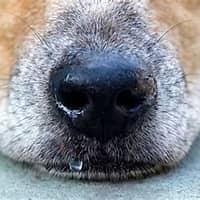
Dogs often get runny noses and they’re usually nothing to worry about, especially if the nasal discharge is clear and watery. More investigation is needed, however, if your dog’s snot is super thick, cloudy, or yellow or green in color, or if you notice other symptoms that they aren’t feeling well. Here are the main reasons for dog runny nose so you can determine whether a call to the vet is warranted or if they simply need a good snout wipe.
10 Causes of a Dog Runny Nose
1. Dog Allergies
Just like humans, dogs can have allergies, which often cause a runny nose and other symptoms like sneezing, paw licking, face rubbing and skin or ear infections. Seasonal allergies are much more common in dogs than food allergies, which only affect 0.2% of dogs. Triggers for seasonal allergies include things like:
- Pollen
- Dander
- Dust mites
- Mold spores
If you suspect your dog has allergies, try to reduce their exposure to the allergen, bathe them regularly with a gentle, moisturizing dog shampoo, and wipe those paws when they come indoors.
2. Something Caught in Dog’s Nose
Because dogs explore the world with their noses, it’s easy for something small to get stuck in there and cause irritation, such as a blade of grass, insect, leaf, or gravel bit. In addition to a dog runny nose, you may see your dog sneezing, pawing at their nose, or getting nosebleeds. Oftentimes, you can get the foreign object out yourself with a pair of sterile tweezers, or if you’re a fraidy cat (we get it), take them to the vet for them to do it!
3. Canine Influenza
Yes, dog flu is a thing, and this respiratory illness is highly contagious and can be spread year-round. Fortunately, canine influenza rarely causes major problems, and 20% of dogs with the flu won’t even show symptoms.
4. Dog Has an Infection
Infections like highly contagious kennel cough can cause a runny nose in dogs, along with that tell-tale honking cough. With kennel cough, a week of mild rest is typically all that’s needed for recovery, and to prevent it altogether, make sure your dog is getting their Bordetella vaccinations.
Nasal infections (rhinitis) can also cause a runny dog nose, along with odor from the nose, coughing, bloody nose or fever.
Dogs can absolutely get colds, but don’t blame yourself if you are sick and left your snotty tissues lying around or didn’t wash your hands before touching their water dish. Dogs don’t get colds from humans; they’re caused by different viruses and bacteria. Dog respiratory infections (canine colds) can cause a runny dog nose and other symptoms such as:
- Watery dog eyes
- Coughing
- Sneezing
- Snoring
- Low energy
- Stuffy nose
Your dog’s cold symptoms should clear up within 5 to 10 days. If your dog’s symptoms don’t abate after two weeks or they have vomiting, diarrhea, fever, or changes in appetite, you’ll want to take them to the vet to be checked out.
5. Your Dog Is Cooling Off
Dogs don’t sweat like humans do, and while panting is their primary method for cooling down, they also have sweat glands on their paws and noses. Hence that runny dog nose if they’ve been exercising or it’s hot out. Give your pooch a good drink of water and settle in for some couch time to chill out.
6. Polyps or Tumors
Blood, pus or mucus coming out of your dog’s nose can be a sign of nasal polyps (growths within the nose or sinuses) or tumors. Some studies show that dogs with long, slender snouts like Dachshunds, Greyhounds, Collies and Irish Setters are more prone to nasal polyps, but overall, nasal polyps are rare in dogs. Tumors inside a dog’s nose are also rare (only account for 1% of tumors in dogs and generally affect dogs over the age of 10), but sadly, they are often malignant and many pet parents don’t want to put their pooches through radiation. An exam at the vet to ease your mind is a good idea if you suspect a tumor or polyp.
7. Distemper
Canine distemper is a highly contagious and potentially lethal virus (mortality rate is as high as 80%). That’s why it’s a core vaccination for dogs. If you have a dog or puppy, make sure they’re up to date on ALL vaccines, according to schedule. Distemper most often occurs in unvaccinated dogs and puppies under four months old, with the first symptoms usually being watery, pus-like eye discharge, followed by fever, poor appetite, and clear-colored discharge dripping from the dog’s nose.
8. Dog Has Periodontal Disease
Canine periodontal disease (advanced gum disease) occurs in four stages. In the later stages, all that harmful bacteria buildup on their teeth and gums can cause a chronic runny dog nose, usually in one nostril. If your dog has terrible breath, visible yellow tartar on the teeth, or red, inflamed gums, don’t ignore the problem and hope it will go away. It won’t, and unchecked periodontal disease is not only painful, but it can shorten your dog’s lifespan. Get them in for an exam and professional cleaning and then adopt a dental care routine at home. There are lots of no-fuss dog dental products, including water additives and dental sprays.
9. Your Dog Has a Flat Face
Flat-faced dog breeds like Boxers, Bulldogs, Boston Terriers, Shih Tzus and Pugs often have chronic runny noses compared to dogs with longer snouts. If your adorable flat-faced pup doesn’t have any other issues besides a clear runny nose, you likely have nothing to worry about. However, you’ll want to be on alert if you notice heavy breathing, difficulty exercising, or loud snorting or snoring. This could indicate a nostril problem, which can often be controlled by avoiding high temps and too-strenuous exercise, or by shedding a few pounds if your pet likes treats a little too much (we can relate). In SEVERE cases, the veterinarian may recommend surgery to improve your pup’s breathing.
10. Environmental Irritants = Dog Runny Nose?
Dust in the air and chemicals or fragrances in candles, air fresheners/deodorizers, laundry products, cleaning products, and aerosol sprays can be very irritating to dogs and everyone else in the home. A single fragrance can contain anywhere from 50 to 300 distinct chemicals, and no, they are not listed on product labels because of trade secret laws. A common reaction to fragrances in both humans and dogs is respiratory symptoms. Fragranced products are also linked to headaches and hormone disruption. Making the switch to unscented cleaning products and deodorizers is one of the best things you can do for your pack members. Read more about why you need a pet-safe air freshener.

Sending prayers to Birch and wishing him a speedy recovery from his injuries.
 Mon Valley Paws