

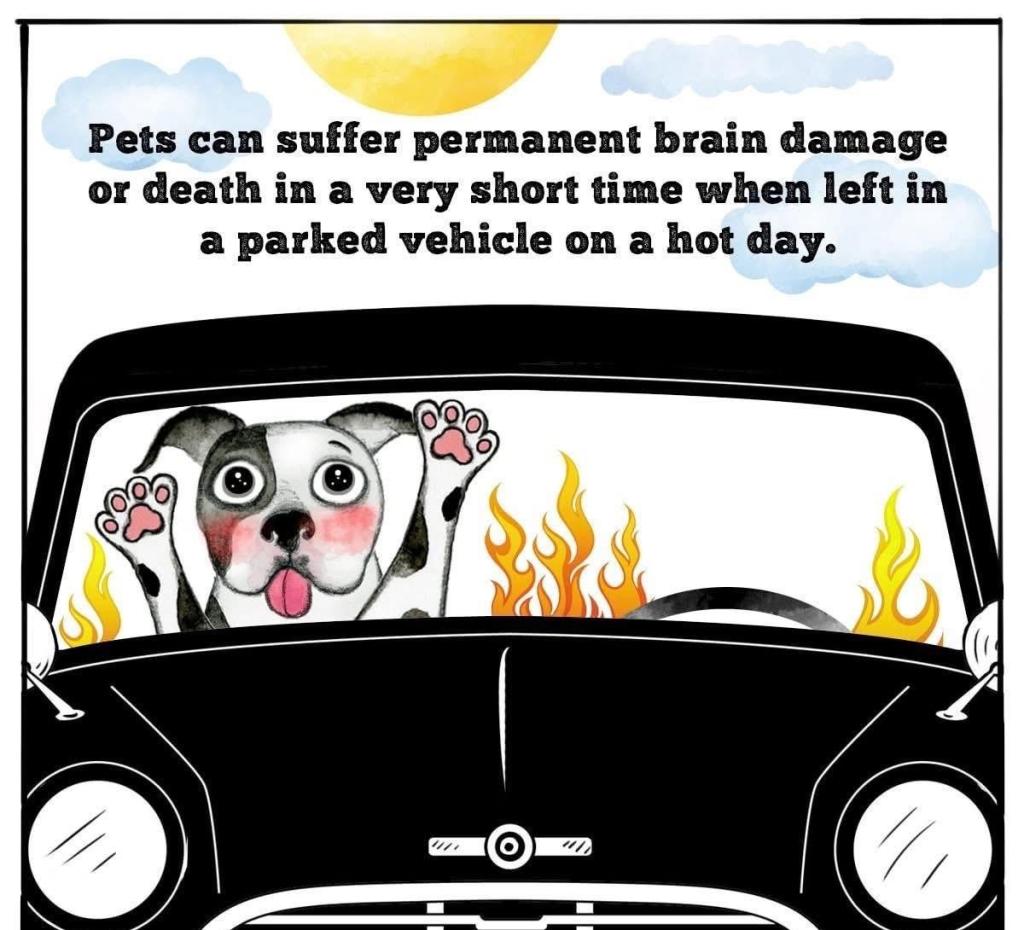
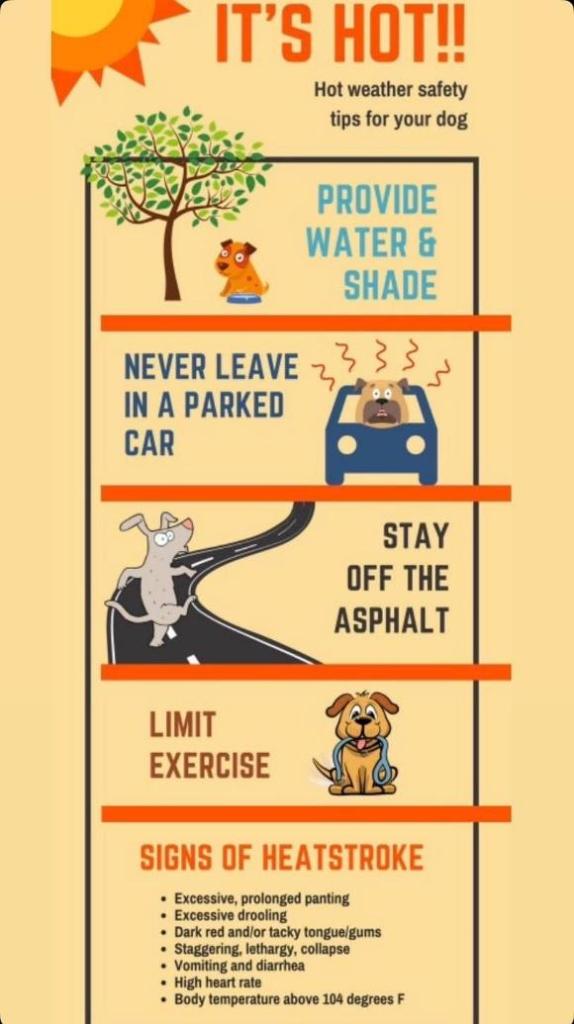
Pet hydration is being celebrated this month but should be seriously practiced all year long. Water is needed for the many functions within our bodies as well as our pets. Kaiah understands the importance of water and overheating in the hot summer month due to her brachycephalic, flat face, syndrome. During the hot months of summer, keep your pets off the hot asphalt, don’t leave them in vehicles unattended, and give them access to plenty of water.
Why Pet Hydration Matters – Water is essential for every cellular function in your pet’s body. From regulating body temperature to aiding digestion and joint health. Hydration is key to your pet’s overall wellness. During summer, pets lose more fluids through panting, increased activity, and warm weather exposure, making them vulnerable to heat exhaustion or heat stroke if not properly hydrated.
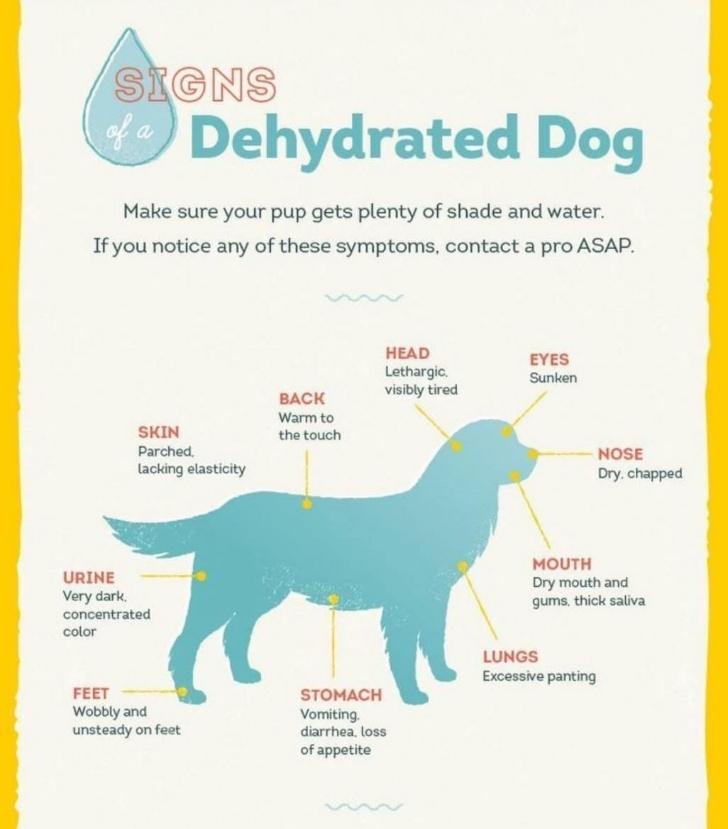
Signs Your Pet Might Be Dehydrated – Knowing what to look for can help you act quickly. Some common signs of dehydration in pets include:
- Dry or sticky gums
- Lethargy or weakness
- Sunken eyes
- Loss of skin elasticity (the “skin tent” test)
- Excessive panting
- Decreased appetite
If your pet shows any of these signs, it’s time to act fast and consult your veterinarian.
Ways to prevent dehydration:
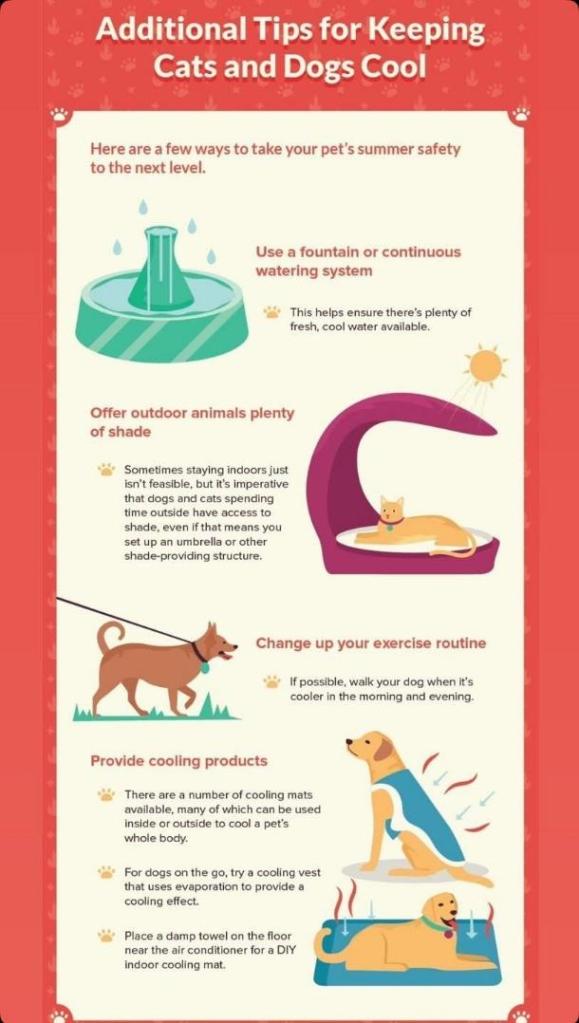
- Fresh water, always: Make sure your pet’s water bowl is full and clean. Refill it multiple times a day.
- Portable bowls: Bring a collapsible water bowl or pet-safe water bottle during walks or car rides.
- Pet-safe frozen treats: Ice cubes from low-sodium broth or pureed fruits (like watermelon or blueberries) are great summer snacks.
- Multiple water stations: Several water stations should be offered to encourage drinking, especially in multi-pet households or large homes.
Wet food options: Incorporate moisture-rich foods or mix water into kibble.

 Mon Valley Paws