
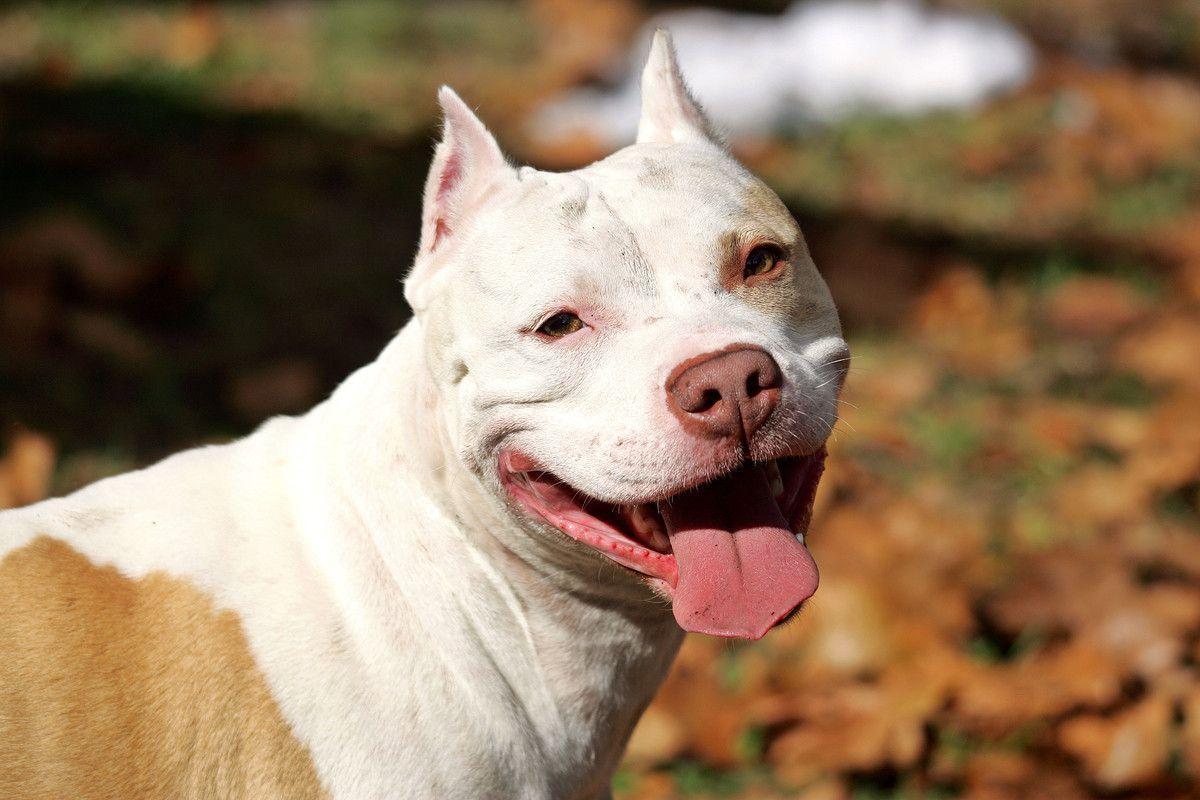
October marks National Pit Bull Awareness Month, an essential time for dispelling myths and spreading knowledge about one of the most misunderstood dog breeds. This month-long observance aims to highlight the true nature of pit bulls through education and support, promoting a positive image that counters widespread stereotypes. Despite their portrayal in media and legislation as inherently aggressive, studies and expert opinions reveal that pit bulls are as affectionate and trainable as any other breed when properly cared for and socialized. National Pit Bull Awareness Month not only seeks to improve the public’s understanding but also encourages responsible ownership and compassionate support. By participating in community events, educational campaigns, and sharing success stories, we can help ensure these loyal pets are seen in the loving light they deserve.
Training and socialization are two major factors that will impact whether a Pitbull can turn out aggressive. Fighting dogs are often left alone, which stresses any pup out. Combine that with a bloodline specifically made for violence, and it’s a volatile mix. Pitbulls used for fighting are harder to train after the fact and often aren’t given a fighting chance. They are much, much more than fighting dogs, which is a sad existence for any bully breed to begin with.
Pit bulls and pit bull mixes comprise a whopping 20 percent of America’s pet dogs. They’re also one of the breeds most likely to be found in shelters. Adopting a dog is a lifetime commitment, so think it over carefully before you proceed. You’ll need to consider your household and family. Pit bulls aren’t always a great mix for a family with cats or other small animals. Some do best as only pets, while others enjoy having other canines around. Of course, every dog is unique, so a lot will depend on the dogs’ personality and history. Take time to get to know the dog, and don’t hesitate to ask questions about him.
Pit bulls have a notable history of serving in military roles, particularly during World War I. They were used as messengers, sentinels, and mascots to boost troop morale. One of the most famous pit bulls, Sergeant Stubby, served with the American forces in Europe and became a symbol of canine bravery, earning several decorations for his contributions. He demonstrated the breed’s loyalty, intelligence, and courage, assisting his unit in locating wounded soldiers and alerting them to gas attacks and incoming artillery. This historical role highlights their capabilities beyond the stereotypes often associated with them.
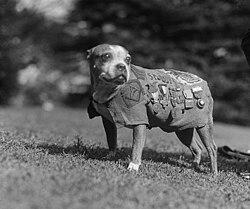
Sergeant Stubby (1916 – March 16, 1926) was the unofficial mascot of the 102nd Infantry Regiment and was assigned to the 26th (Yankee) Division in World War I and travelled with his division to France to fight alongside the French. He served for 18 months and participated in 100 battles and four offensives on the Western Front. He saved his regiment from surprise mustard gas attacks, found and comforted the wounded, and allegedly once attacked and held a German soldier by the seat of his pants, keeping him there until American soldiers found him. His actions were well-documented in contemporary American newspapers. He received many awards including a gold medal, a wound stripe and two purple hearts.
Stubby has been called the most decorated war dog of the Great War and the only dog to be nominated and promoted to Sergeant through combat. Stubby’s preserved body is on display in the National Museum of American History. Stubby is the subject of the 2018 animated film Sgt. Stubby: An American Hero.
 Mon Valley Paws