

Love is in the air. And while you’re gearing up to shower your special someone with gifts, attention, and once-in-a-lifetime date ideas, don’t forget to share time with your tail-waggin’ companions, too! The month of love shines the spotlight on several important causes. February 3 is Annual Doggie Date Night, and February 20 is Love Your Pet Day, giving you two grand opportunities to show your love and appreciation for your four-legged friend which includes not only dogs but cats, rabbits, guinea pigs, reptiles and all other pets you love to snuggle.
- Pet Dental Health Month
- Dog Training Education Month
- National Cat Health Month
- Responsible Pet Owners Month
- Adopt a Rescued Rabbit Month
- Spay/Neuter Awareness Month
January One-Day Celebrations
- February 2: National Hedgehog Day; Groundhog Day
- February 3: National Golden Retriever Day
- February 3: Annual Doggie Date Night
- February 7-14: Have a Heart for Chained Dogs Week
- February 14: National Pet Theft Awareness Day in the US; Valentine’s Day
- February 22-28: National Justice for Animals Week
- February 20: Love Your Pet Day
- February 22: Walking The Dog Day
- February 23: National Dog Biscuit Day
- February 24: World Spay Day
DENTAL HEALTH MONTH
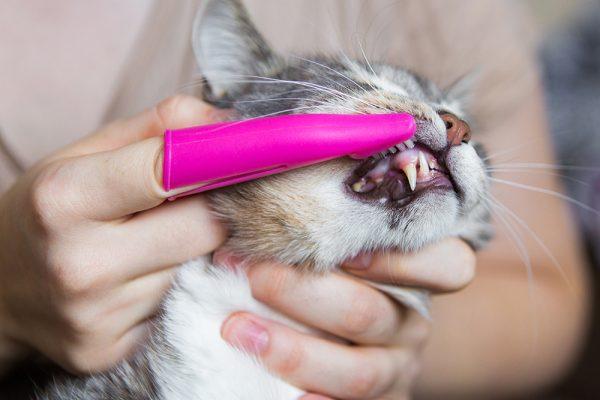
It’s not all about Cupid’s arrow in February. Another furrbulous celebration is Pet Dental Health Month. Unfortunately, dental health can sometimes be overlooked. We know our dogs and cats require a lot of care, from walks to baths to monthly meds and beyond, but it’s important to stay on top of their dental health. Here’s how:
- Use toothpaste designed specifically for pets (sorry, no whitening human toothpaste allowed)
- Brush regularly using a soft-bristle pet toothbrush or finger brush. Brush for 30-60 seconds per side, focusing on the outer surfaces.
- Give dental chews as treats.
- Consider adding a dental additive to their food or bowl of water.
- Get your pet checked regularly by their veterinarian and book an appointment at the first sign of dental issues such as bad breath, red/bleeding gums, or chewing on one side.
- Get your pet’s teeth cleaned professionally every 1 to 3 years.
IMPORTANCE OF DENTAL CARE
Poor dental hygiene in dogs and cats can result in plaque and tartar buildup, gum disease, tooth decay, and bad breath. Bacteria from the mouth can also enter the bloodstream, potentially affecting the heart, kidneys, and liver. Maintaining oral health improves a pets’ quality of life, making it easier for them to eat, play and socialize without discomfort.
YEAR ROUND CARE
While February highlights dental health, consistent care throughout the year is essential. Regular brushing, professional cleaning, and dental friendly diets help prevent long term health problems and ensure pets remain happy and healthy.
By participating in Pet Dental Health Month, pet owners can take proactive steps to protect their pets’ oral health and overall well-being.
HAVE A HEART FOR CHAINED DOG WEEK

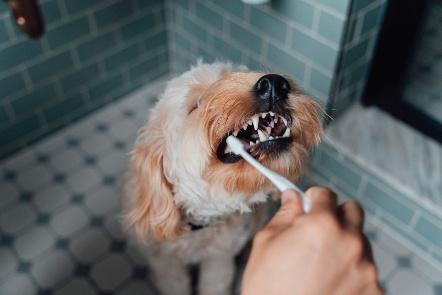
February is the month representing love, what does this picture portray? Sadly, this picture depicts the reality of so many pets that are neglected and left alone suffering or worse. Have a Heart for Chained Dogs Week, observed from February 7 to 14, raises awareness about the suffering of dogs that are chained or tethered outdoors. The terms ‘chaining’ or ‘tethering’ are defined as the practice of tying up a dog to a stationary object, as a means of keeping the animal under control. This practice is considered cruel, as it poses a great risk to the physical and psychological well-being of dogs. The week aims to educate the public about the neglect and suffering these dogs endure and to promote responsible pet ownership and humane treatment.
NATIONAL CAT HEALTH MONTH

Cats can be quite healthy, and many cats rarely leave the house. Because they don’t go for walks and visits to the park like dogs do, it’s not uncommon to lose track of when your cat needs a health checkup. An annual wellness visit allows your vet to give your cat a thorough inspection and ensure all necessary vaccinations are updated. These visits are important for all cats, but they’re especially important for senior pets. Older cats are more prone to developing health conditions, including thyroid disease, dental disease, and arthritis. An annual wellness visit can ensure problems are detected early and addressed quickly. Set aside some time every February to celebrate your cat and keep things organized to maintain your cat’s long-term health. Another vital procedure to consider is to have your cat (kitten) spayed or neutered. Spaying and neutering your cat stop the breeding cycle and lowers the risk of your pet developing reproduction diseases and cancer.
Maintain your cat’s health by:
- Promoting preventive care: Encouraging annual wellness visits to detect health issues early, update vaccinations, and monitor conditions like dental health, thyroid disease, and arthritis.
- Supporting emotional well-being: Providing interactive toys, puzzle feeders, and playtime to keep cats mentally stimulated and happy.
- Educating owners: Helping cat parents learn about proper diet, safe household items, and signs of illness or behavioral changes.
- Encouraging responsible care: Reminding owners to maintain a safe environment, avoid harmful foods or plants, and provide clean water, exercise, and a comfortable living space.
ADOPT A RESCUED RABBIT MONTH

- Rabbits generally live for eight to 12 years. Spaying or neutering pet rabbits will help them live the longest life possible, since they’ll be less susceptible to certain types of cancer.
- Although people sometimes think of them as backyard pets, it’s best to keep bunnies indoors. Not only is it easier to enjoy a bunny’s companionship that way, but rabbits make great house pets. Plus, it’s relatively easy to bunny-proof your home and to litter-train a rabbit.
- Rabbits have three layers of fur and can’t regulate their internal temperature. They also like it colder than you might think: Temperatures of 40-50 degrees Fahrenheit are ideal for rabbits. On the flip side, temperatures greater than 80 degrees Fahrenheit can be dangerous because bunnies are prone to heat stroke.
- Bunnies are prey animals and are very good at sensing the energy and emotions of people.
- Hay makes up 80-90 percent of a balanced rabbit diet. Each day, bunnies should also get some high-quality rabbit pellets, along with greens such as romaine lettuce or cilantro. Treats, such as bananas, carrots and strawberries should be given in very small amounts and limited to once or twice a week.
- To satisfy their instinct to dig and to keep their teeth in top shape, bunnies need plenty of enrichment and toys. Rabbits’ teeth are constantly growing and can grow up to five inches per year. Giving them plenty of chew toys can prevent painful overgrown teeth and costly trips to a bunny-savvy veterinarian.
- Most bunnies are social creatures who are more content living with a bunny companion. Because rabbits are very willing to fight if they don’t get along at first, bunnies must be introduced in a carefully supervised process.
- Bunnies are fun to watch, especially when they’re happy. They’ll do “binkies” (leaping and twisting in the air), bunny flops onto their backs or sides, or just stretch out for a short nap.
- The character Thumper from Bambi was known for his habit of thumping his hind foot on the ground. Although Thumper exaggerates this behavior, it is based on real bunny body language. In the wild, bunnies thump their back feet to warn other bunnies that a threat may be coming their way.
Having been a bunny owner twice, my opinion of having bunnies as a pet is a definite yes. I had a rabbit, hamster and guinea pig all living together happily. If owning a dog or cat is not possible, then a rabbit would be a positive choice. They come in many breeds, colors and sizes. Do a little research and adopt the one most suitable for you.
 Mon Valley Paws